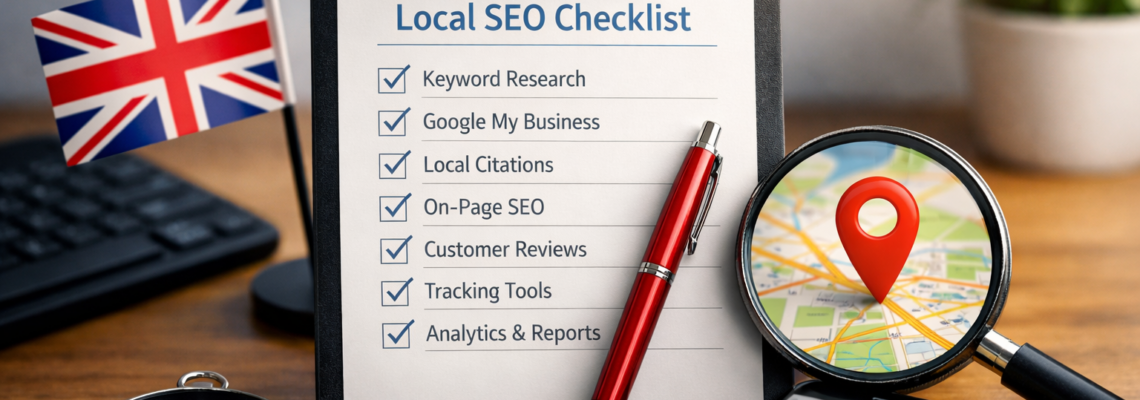
If you are serious about winning more local searches, you need a search engine optimisation tool that actually moves the needle in the United Kingdom market. Between postcode nuances, ever-changing local packs and review signals, the difference between page one and page none is in your stack and your setup. I have seen brilliant teams sink hours into the wrong dashboards, while lean teams outpace them by choosing smarter, configuring cleaner and measuring only what matters. That is why I put together this practical checklist. It is built from the front line work we do at Internetzone I, where National and Local SEO (search engine optimisation) meets web design, eCommerce and paid media under one managed umbrella. Ready to stress-test your toolset and turn it into a growth engine for your local presence?
Why UK Businesses Need a search engine optimisation tool for Local Wins
Let’s be honest. Local search is its own sport. Industry studies suggest that nearly half of searches have local intent, and many “near me” seekers visit a business within a day. If your tools do not capture service areas, multilingual nuances, or the difference between “solicitor in Leeds” and “solicitors near LS1,” you leave revenue on the table. A robust toolset does three things: it reveals demand, it exposes friction and it quantifies outcomes. And when that toolset plugs into your website, advertising and reputation workflows, compounding gains happen faster. At Internetzone I, Inc. we help Companies of all sizes aiming to enhance their online visibility, reputation, and overall digital marketing performance. We see it daily: when your systems talk to each other, “random acts of marketing” become repeatable wins.
- Visibility: outrank competitors on the search engine results page (SERP) and in the map pack.
- Credibility: manage reviews and social proof to protect your brand reputation.
- Efficiency: eliminate duplicate effort by integrating reporting and automation.
- Growth: attribute calls, bookings and sales so you can scale what works.
The 7-Point search engine optimisation tool Checklist
You do not need dozens of shiny platforms. You need a tight toolkit that fits your goals, market and operations. Use this seven point checklist to choose smarter, configure with confidence and measure what matters most in the United Kingdom. I will include practical examples from Internetzone I client setups so you can visualise how everything connects in real life.
Watch This Helpful Video
To help you better understand search engine optimisation tool, we’ve included this informative video from Ahrefs. It provides valuable insights and visual demonstrations that complement the written content.
1) Set Goals You Can Count in Pounds, Not Just Page Views
What does success look like in 90 days? Fewer open-ended goals equals better tool choices. Define targets you can verify, such as qualified calls, form enquiries, bookings, in-store visits or eCommerce revenue. Break those goals down by location and service line so a single outlier does not mask the truth. At Internetzone I we align dashboards to business outcomes like “20 percent more quote requests in Manchester” rather than vanity metrics. This lets your search engine optimisation tool stack focus on actions that lift revenue. It also shapes your budget, because you can justify upgrades when you see clear return on investment (ROI). Pro tip: create a short glossary of key performance indicators (KPI) your team will use, so reporting is crystal clear for everyone from sales to finance.
2) Map Your Local Footprint With Google Business Profile (GBP) and Citations
Your Google Business Profile (GBP) is your digital shopfront. Audit every location. Are categories correct, hours accurate, services listed and images current? Does your name, address and phone (NAP) format match across directories and the website? Inconsistent details confuse both people and algorithms. A good listing management tool helps you push updates at scale and monitor duplicates. At Internetzone I we standardise NAP across top United Kingdom directories, then track changes weekly. Bonus move: add uniform resource locator (URL) parameters using urchin tracking module (UTM) codes so you can see which profile elements drive calls and clicks inside Google Analytics 4 (GA4). When GBP data is clean, your other tools read cleaner signals and your map rankings usually climb.
3) Research Local Intent, Not Just Keywords
Classic keyword lists miss the questions people actually ask. Your search engine optimisation tool should reveal intent clusters such as “emergency plumber 24 7 Birmingham,” “solicitor fixed fee conveyancing Bristol,” or “best vegan cafe near Shoreditch.” Build topic maps around high intent themes and craft pages or sections that answer them. Look at the search engine results page (SERP) features to infer content format: if you see “People also ask,” you likely need frequently asked questions (FAQ) content; if you see local packs, you need location relevance and reviews. At Internetzone I we pair demand data with competitor gap analysis to pinpoint pages that will pull in qualified visitors, not just traffic for traffic’s sake.
4) Fix Technical Friction Before You Pour on Traffic
Speed, crawlability and structure still rule. Your site audit tool should flag broken links, looped redirects, missing sitemaps and messy robots.txt files. It should also surface Core Web Vitals, mobile layout quirks and indexation issues so you know what to fix first. In our experience, shaving a second off load time can lift click-through rate (CTR) and conversions notably, especially on mobile. Keep site architecture simple with clear location pages, schema markup for LocalBusiness, and internal links that help both users and bots. Internetzone I’s Web Design services deliver mobile responsive, search engine optimisation focused builds, so your content and campaigns have a solid foundation from day one.
5) Optimise On Page for the Way People Actually Search Locally
Local searchers skim and act. Use concise headlines, scannable benefits and obvious calls to action. Add service area details, neighbourhood names and trusted signals like awards or guarantees. Mark up addresses, reviews and FAQs with structured data so engines can feature you. Think of every page as a landing page. Your search engine optimisation tool should score content relevance and surface internal link suggestions so you can connect pages logically. Internetzone I often pairs content scoring with heatmap insights to see if users find the info they need fast. The blend of data and empathy is what makes on page tweaks profitable.
6) Systemise Reviews and Reputation Management
Reviews influence rankings and conversions, full stop. A reputation management tool can automate requests after a visit or purchase, route negative feedback internally and prompt timely responses. Build templates for staff that reflect your brand voice and United Kingdom regulations. Track review velocity, average ratings and response times at the location level. When we implement this system at Internetzone I, clients often see a lift in both map pack visibility and sales because more recent reviews lower risk for new buyers. Add links in email signatures and receipts, and consider a simple in store QR code for collecting feedback on the spot.
7) Connect Reporting to Reality With Clean Attribution
Vanity graphs do not pay the bills. Wire your analytics so you can tie actions back to outcomes. Use Google Analytics 4 (GA4) for events and funnels, Google Search Console for query visibility, call tracking for phone leads, and a light customer relationship management (CRM) system if you have a sales team. Keep urchin tracking module (UTM) naming consistent. Segment by location and channel so your National and Local SEO (search engine optimisation) tactics can be compared fairly. At Internetzone I we build monthly scorecards around a handful of KPIs that leadership actually cares about, like cost per qualified lead and revenue by channel. If a report does not drive a decision, it is just noise.
| Tool Category | Primary Job | Must Have Features | Local Impact | Notes from Internetzone I |
|---|---|---|---|---|
| Keyword and Topic Research | Reveal demand and questions | Location filters, questions, intent types | Creates content that matches how locals search | Build topic clusters tied to service areas |
| Rank Tracking | Monitor positions | Postcode and city tracking, map pack visibility | Shows where you win or lag by area | Track mobile and desktop separately |
| Listing Management | Sync NAP and profiles | Bulk updates, duplicate suppression, audit logs | Improves map rankings and trust | Standardise formats across directories |
| Site Audit | Find and fix technical issues | Crawl depth, Core Web Vitals, structured data checks | Removes friction that kills conversions | Schedule monthly crawls, not just ad hoc |
| Analytics and Attribution | Prove what works | Event tracking, funnel reports, call tracking | Connects traffic to leads and sales | Use consistent urchin tracking module (UTM) tags |
| Reputation Management | Grow and reply to reviews | Automated requests, response templates, alerts | Boosts map pack visibility and conversions | Measure review velocity by location |
Configuration Playbook for National and Local SEO That Scales
Choosing the right platforms is only half the battle. Configuration is where many teams lose weeks to guesswork. Start by mapping business objectives to data flows. Which events equal value, and where will they be captured: forms, calls, chats, bookings or baskets? Then, set up consistent naming across properties so reports do not break when new locations open. Internetzone I’s Managed Web Services team often handles this backbone work for clients because woven systems are fragile when rushed. When your search engine optimisation tool, analytics and advertising are aligned, your team spends time optimising, not reconciling numbers.
- Use a main analytics property with separate location views for cleaner comparisons.
- Group GBP (Google Business Profile) listings by region for bulk updates and reporting.
- Implement server side tagging where possible to reduce data loss and improve page speed.
- Standardise conversion names such as “Call 30 Seconds,” “Form Submit,” “Book Demo,” “Checkout Complete.”
- Align pay-per-click (PPC) and search engine optimisation efforts with shared location pages, not siloed landers.
- If you run eCommerce, connect product feeds and on site search queries to content planning.
| Setting | National Focus | Local Focus | Why It Matters |
|---|---|---|---|
| Rank Tracking | Country and major city visibility | Postcode and map pack tracking | Local rankings vary widely within a city |
| Content Strategy | Category and solution pages | Location and service area pages | Improves relevance for “near me” and geo searches |
| Backlinks | Industry and national press mentions | Local partners, sponsorships, chambers | Signals local prominence and trust |
| Reputation | Brand wide reviews | Location level reviews and responses | Map rankings and conversions depend on them |
| Attribution | Multi channel revenue by segment | Calls, walk ins and micro conversions | Prevents under valuing organic local traffic |
Metrics That Matter: How to Measure Local SEO Wins
Numbers should tell a story you can act on. Start simple. If a metric does not drive a decision, park it. Your baseline should include visibility, engagement, conversion and revenue indicators. For local businesses, that often means map impressions, direction requests, calls, quote requests, footfall proxies and online sales. Add qualitative notes from sales and support teams, because they spot high intent themes early. At Internetzone I we combine dashboards with monthly reviews, so data sparks clear next steps. Remember, measurement is a team sport. When operations and marketing view the same scorecard, confidence climbs and outcomes improve.
| Metric | Primary Tool | Good Early Target | Why It Matters |
|---|---|---|---|
| Map Pack Impressions | Google Business Profile (GBP) | +20 percent in 90 days | Top of funnel visibility for high intent searches |
| Calls From Profiles | GBP with call tracking | +15 percent with better reviews | Direct buying signals you can attribute |
| Organic Click-through Rate (CTR) | Google Search Console and analytics | +10 percent via better titles | Shows if snippets match intent |
| Qualified Leads | Google Analytics 4 (GA4) and CRM | +25 percent via new content | Measures business value, not vanity |
| Revenue or Bookings | GA4 and eCommerce platform | +10 to 20 percent QoQ | Proves search impact to leadership |
| Review Velocity and Rating | Reputation platform | 4.5 stars and steady pace | Correlates with map rankings and trust |
UK Examples and Quick Case Notes with Internetzone I

Examples make it real. A boutique hotel in Bath lagged in shoulder season. We cleaned its Google Business Profile (GBP), standardised citations, and built a “weekend breaks in Bath” page bundle. Within eight weeks, map impressions rose 34 percent and direct bookings climbed 18 percent, verified in Google Analytics 4 (GA4). A Manchester electrician faced feast or famine. We shifted content to emergency intent, added call tracking and tightened site speed. Calls from profiles increased 28 percent and no shows fell thanks to faster responses. A nationwide eCommerce retailer needed more local relevance for click and collect. We introduced postcode friendly store pages, improved schema markup and aligned pay-per-click (PPC) copy with those pages. Organic revenue from local queries grew 22 percent quarter over quarter. None of this required exotic tools. It required the right search engine optimisation tool stack, configured cleanly and measured against goals leaders care about.
Avoid These Pitfalls and Apply These Pro Tips
Even smart teams stumble on the same few issues. The biggest? Tracking that does not reflect reality. If calls are not measured, or form spam inflates leads, your strategy will drift. Another common trap is over investing in national content while neglecting local proof points like reviews, directions and parking details. Finally, teams often buy overlapping platforms that create reporting silos. Keep your stack lean, your data tidy and your processes human friendly. Internetzone I’s Managed Web Services keeps this machine humming by aligning search, web design and reputation with your sales motions.
- Do not publish thin location pages. Add unique photos, staff bios and neighbourhood tips.
- Refresh old winners. An updated guide often outranks new posts with less work.
- Use internal links as signposts. Point from authority pages to new local pages.
- Train frontline staff on review requests and response etiquette.
- Quarterly audit your toolset for duplicates and unused features.
- Document your urchin tracking module (UTM) scheme so new campaigns do not break reports.
What this checklist promises is simple: clearer choices, cleaner setups and better proof that your local marketing is working. Imagine the next 12 months with a tool stack that your team actually enjoys using, where every chart rolls up to revenue and every meeting ends with one next best action. What would become possible if your favourite search engine optimisation tool worked in lockstep with a website built to convert and a review system that never sleeps?
Ready to turn that vision into a plan you can execute and measure? If you want an experienced partner to wire it all together, Internetzone I can help you align strategy, tools and teams so your search engine optimisation tool becomes a real growth engine.
Additional Resources
Explore these authoritative resources to dive deeper into search engine optimisation tool.
Scale Local Search Wins with Internetzone I
Increase visibility, reputation and revenue with National & Local SEO (search engine optimisation) and a tailored search engine optimisation tool plan from Internetzone I.
How Internetzone I Turns Tool Stacks Into Sales
Internetzone I, Inc. provides comprehensive digital marketing services including search engine optimisation, web design, eCommerce development, reputation management and pay-per-click (PPC) advertising to address the common challenges businesses face and help them grow online. We combine National and Local SEO (search engine optimisation) strategy with mobile responsive, search engine optimisation focused Web Design, conversion centred eCommerce Solutions, proactive Reputation Management, Adwords Certified PPC (pay-per-click) Services and Managed Web Services. The result is a joined up engine where content earns attention, pages convert visits to leads and your reporting proves the impact. If your team is ready to choose smarter, configure cleaner and measure more meaningfully, our specialists are ready to help.