
At 9:17 a.m., a marketing manager has three agency PDFs open on a laptop, a live ad dashboard flickering on the second screen, and a half-cold coffee nudging the space bar. One proposal says “starter package.” Another promises “full-service management.” A third looks cheap until you notice reporting costs extra and support is “as available.”
I’ve been in that chair more than once. If you’re comparing ppc services packages, you already know the weird part: the slickest proposal is not always the one that will protect your budget. Sometimes the $399 option is enough. Sometimes it is a trap. If you’re a founder, marketing manager, in-house generalist, or agency lead trying to buy smarter in 2026, this guide is for you.
We’re going to judge these options the way working teams actually do it — by scope, channel fit, reporting, support, and whether the package includes the ugly, unglamorous work that improves traffic quality over time. That matters a lot more than a bronze-silver-gold pricing grid.
Selection criteria for PPC services packages
This shortlist is built around one question: what are you really buying once the invoice lands?
Watch This Helpful Video
To help you better understand ppc services packages, we’ve included this informative video from Travis Marziani. It provides valuable insights and visual demonstrations that complement the written content.
What a real PPC package should include
PPC is a paid model where advertisers are charged for each click, so you should judge the package on traffic quality and campaign management, not just on ad spend. One of the top-ranking package pages spells out the baseline clearly: a PPC package typically includes keyword research, ad creation, bid management, performance tracking, and ongoing optimization. If one of those pieces is missing, you are not comparing like for like.
That sounds basic. It isn’t. I still see proposals in 2026 that charge for “campaign setup” and quietly leave optimization vague, as if the first 14 days are the whole job. They’re not. Setup gets you into the race. Management is what keeps you there.
If a package does not specify what is included, it is probably leaving out the hardest work.
Match the package to channel complexity
Some packages are intentionally narrow. Nettl, for example, explicitly frames its offer as “PPC Packages | Google Ads Management,” which tells you where the effort goes. Four Dots, by contrast, markets tailored packages for Google Ads and Meta, which signals broader platform coverage.
That difference matters because not every buyer behaves the same way. A local plumber in Dallas may win almost entirely from Google search intent. A skincare brand selling a $42 cleanser probably needs both search and paid social because customers often discover on Instagram or Facebook, search later, and buy on a return visit. Same label, very different workload.
Filter by reporting, optimization, and support
Monthly reporting is not the same thing as monthly management. You want to see reporting cadence, optimization rhythm, and support spelled out in plain language. If an agency says it handles “monitoring” but never says how often bids, budgets, search terms, creatives, or audiences are adjusted, you should assume the package is thinner than it looks.
| Filter | What to look for | Why it matters | Red flag |
|---|---|---|---|
| Scope | Keyword research, ads, bids, tracking, optimization | You need the full operating loop | “Setup only” language |
| Channels | Google Ads only, or Google Ads plus Meta | Should reflect how people find you | Every platform bundled with no strategy |
| Reporting | Clear cadence, KPIs, and action notes | Shows whether work happens between calls | Pretty PDFs with no next steps |
| Support | Named contact, review calls, response expectations | Accountability gets real fast when numbers slip | Shared inbox and vague availability |
#1 Budget starter PPC package
Summary: This is the low-entry monthly option that covers the basics and gives you a clear price floor. Best for: small businesses, first campaigns, and lean teams that need structure more than complexity.
What this package usually covers
AdsRole lists PPC Essential starting from $399 per month. It also uses the kind of package naming you see a lot in entry-level offers: “Boost Clicks Fast.” That tells you what starter tiers are trying to do — get a business into paid search quickly, with a manageable monthly fee and a limited scope.
In practice, a starter package usually covers a small campaign set, basic keyword research, ad copy creation, light bid adjustments, and simple reporting. That can be enough for a single-location service business, a new Shopify store, or a company that is finally replacing “boosted posts” with actual paid media discipline.
Starter packages should buy process and consistency, not unrealistic lead promises.
Best for lean teams and first campaigns
If you are launching your first proper Google Ads account, the biggest risk is not under-spending. It is spending badly. A decent starter package can stop the usual beginner mistakes: loose keyword targeting, broken conversion tracking, one-size-fits-all ad copy, and a total lack of negative keywords.
I’ve watched a modest management fee prevent expensive waste more than once. A local med spa does not need a seven-channel media machine on day one. It needs clean tracking, relevant search terms, and a team that checks the account before the budget goes sideways.
When a starter package is not enough
AdsRole also lists PPC Advanced starting from $599 per month, which is a good clue that complexity rises quickly once the basics are live. If you have multiple locations, more than one product line, strong seasonality, or real testing expectations, the starter tier starts to feel tight fast.
My rule? If your business already knows its target cost per lead, expects active testing every month, and needs more than a simple monthly recap, don’t buy the smallest box just because it feels safe.
#2 Google Ads management package
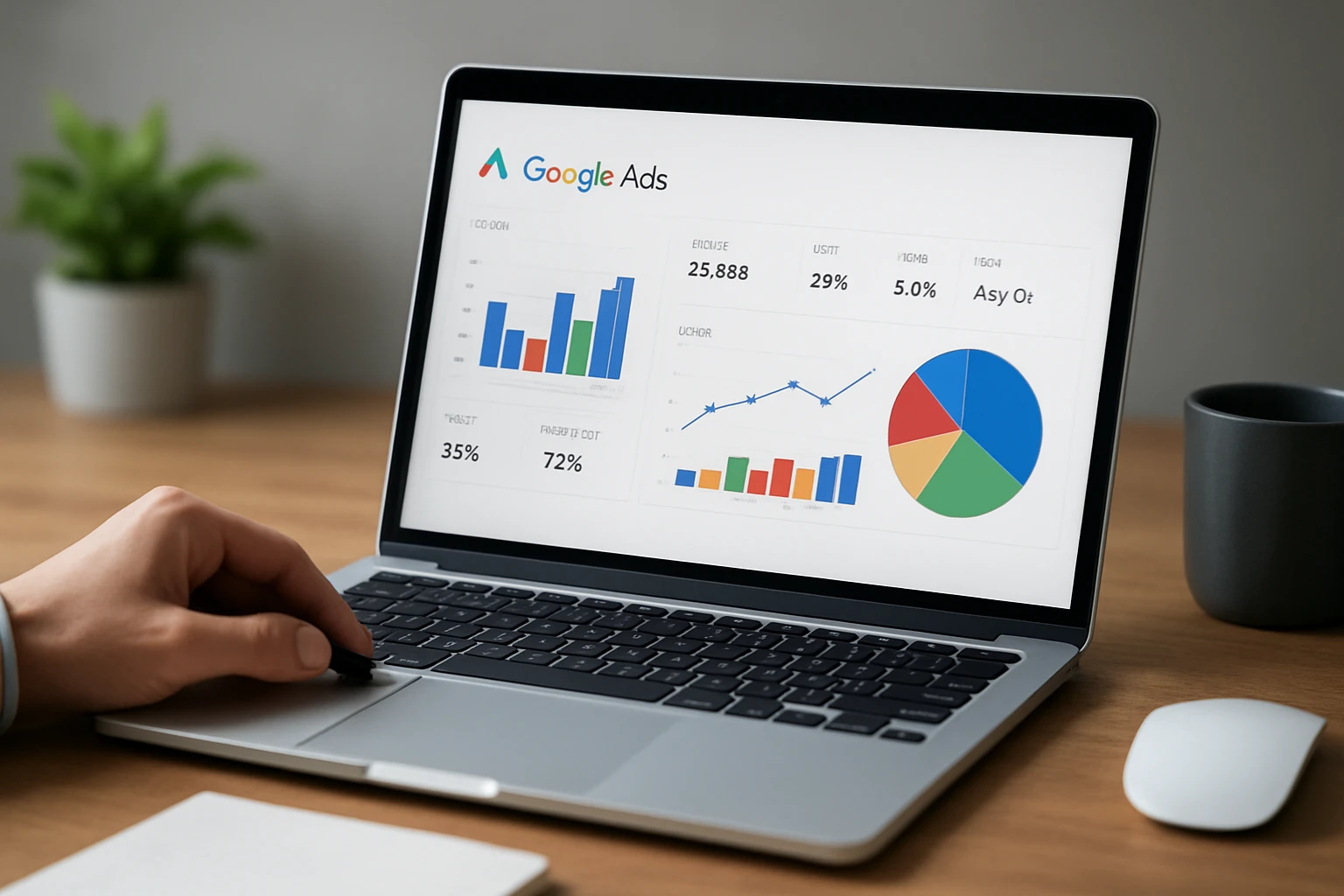
Summary: This option keeps the package centered on Google Ads instead of spreading effort across every channel at once. Best for: businesses that want to capture high-intent demand first.
What makes Google Ads management distinct
Nettl’s wording is refreshingly direct: “PPC Packages | Google Ads Management.” I like that. It tells you exactly what you are buying. No mystery. No “omnichannel acceleration” fluff. Just Google Ads management.
And that focus matters because Google Ads is usually about intent capture. Someone types “emergency plumber near me,” “family lawyer free consultation,” or “demo payroll software,” and the package is built to catch that moment. If most of your revenue starts with a search, this kind of scope often beats a broad package that tries to be everywhere at once.
If most of your leads come from search intent, a Google Ads-first package usually beats a broad, unfocused one.
Best for high-intent search campaigns
This is the right fit for local services, B2B lead generation, professional services, and categories where people already know what they want. Roofing. Legal intake. SaaS demos. Private healthcare. Enterprise software. These are not “maybe someday” clicks. They are often closer to action.
A proper Google Ads package should still include the standard management work described in the search results: keyword research, ad creation, bid management, performance tracking, and ongoing optimization. If a provider says “Google Ads management” but skips those details, press harder.
What to confirm before buying
Ask a few blunt questions before you sign. Who handles negative keywords? How often are bids and budgets reviewed? Do they examine search terms regularly? What happens when conversion volume drops for two weeks? Real managers answer quickly. Weak packages drift into generalities.
Also ask whether landing page feedback is included. Not full redesign work — just practical feedback. You would be amazed how many search campaigns are judged unfairly when the page itself is the bottleneck.
#3 Google Ads and Meta tailored package
Summary: This package combines search and paid social under one strategy instead of splitting them across vendors. Best for: eCommerce brands, lead gen teams, and companies that need discovery plus remarketing.
Why multi-platform management matters
Four Dots markets “Tailored PPC Packages for Google Ads and Meta.” Two things stand out there. First, Google Ads plus Meta signals a package designed for both intent-based search and social discovery. Second, the word “tailored” suggests the scope is adjusted to the client instead of forced into a rigid one-size-fits-all bundle.
That’s a smart answer for messy buyer journeys. And let’s be honest — most buyer journeys are messy now. Someone might see a Meta ad on Monday, Google your brand on Wednesday, click a remarketing ad on Friday, and convert over the weekend. If different people run those channels with different goals, waste creeps in fast.
If your audience moves between search and social before converting, managing both channels under one strategy can reduce waste.
Best for eCommerce, lead gen, and remarketing
This is where a multi-platform package can really earn its fee. eCommerce brands often use Meta for creative testing and prospecting, then rely on Google Ads for branded search, shopping, or high-intent cleanup. Lead gen teams use Meta to create demand and Google Ads to capture the people who come back ready to act.
I’ve seen this work especially well for higher-consideration offers — home remodeling, cosmetic dentistry, premium fitness, education products — where people rarely convert after one touch. They browse. They compare. They come back.
How to judge channel overlap
Don’t buy “Google and Meta” just because it sounds more advanced. Ask how budget shifts between channels. Ask how remarketing audiences are handled. Ask whether the same message travels from ad to landing page to follow-up. That’s where the real integration lives.
Some providers sell two separate silos under one invoice. That is not a cross-channel strategy. That is admin with a prettier label.
#4 Full-service PPC management package
Summary: This is the outsourced, end-to-end option for companies that want day-to-day campaign work off their desk. Best for: businesses without in-house PPC staff and teams that need a true operator.
What full-service should include
One top-ranking PPC pricing page explains the model clearly: advertisers pay for each click, so PPC is a way to buy website traffic rather than earn it organically through SEO. That same source describes a PPC package as a fee paid to a PPC expert to run the campaign, with keyword research, ad creation, bid management, performance tracking, and ongoing optimization as standard components.
That is the baseline for full-service management. I would also expect tracking checks, budget pacing, testing notes, and practical landing-page recommendations. If conversion tracking breaks on a Thursday afternoon, you should not discover that in a monthly report three weeks later.
A real management package should feel like an operating system for campaigns, not just monthly reporting.
Best for teams without in-house PPC staff
This tier makes sense fast when nobody in-house owns paid media deeply. A marketing coordinator already juggling email, website edits, event prep, and CRM cleanup usually does not have the bandwidth to check search terms, clean audiences, review bids, and think through testing logic.
I’ve lived through those “we can all keep an eye on it” arrangements. Nobody really can. Then branded search hides the weakness, the account looks okay on the surface, and two quarters vanish before anyone notices that lead quality went soft.
How to spot thin management packages
Thin packages love vague verbs: monitor, oversee, support, review. They rarely define optimization cadence, meeting rhythm, or who is actually touching the account. If a proposal spends more space on dashboards than on actions, be careful.
My favorite filter is simple: ask for a real report sample. Not the polished sales version. The working version — changes made, performance notes, issues found, and what happens next. You learn a lot from that one document.
#5 White-label PPC package
Summary: This is invisible fulfillment delivered behind your brand. Best for: agencies, consultants, and fractional marketers who need execution capacity without building a full PPC department.
Who white-label is for
One of the search results makes the white-label angle obvious in its navigation: White Label PPC Services sits alongside White Label Facebook Ads, Google Ads, and E-Commerce PPC. That combination tells you the service model is built for resellers and partners, not just direct advertisers.
If you sell strategy, web design, SEO, or broader marketing retainers, white-label can fill the fulfillment gap when clients keep asking the same question: “Can you run our ads too?” Instead of hiring three people at once, you borrow capability first.
White-label work is only valuable if the client sees your brand and the campaign performance, not the handoff chain.
Best for agencies scaling service delivery
This is especially useful when sales outpaces operations. Maybe your agency closed 5 new retainers in 60 days. Great. Now you need delivery capacity, QA, reporting discipline, and someone who can jump into Google Ads or Meta without a six-week recruiting scramble.
It also works well for consultants who want to own the client relationship while outsourcing the hands-on platform work. That can be a very smart model when you know strategy well but do not want to live in the ad account every day.
What to require from the provider
Get very specific before you sign. Who owns strategy? Who joins client calls if needed? How are urgent issues escalated? Can the provider support Google Ads only, or also Facebook/Meta and eCommerce PPC as your client mix broadens?
And test communication early. White-label relationships are won or lost on responsiveness, clarity, and whether the partner can make your agency look calm when a client asks a hard question at 4:58 p.m.
#6 Enterprise PPC package
Summary: This tier is built for scale, structure, and higher-touch coordination. Best for: larger companies, multi-location brands, and teams with multiple stakeholders around the table.
What enterprise buyers usually need
AdsRole lists PPC Enterprise starting from $999 per month, and its public ladder moves from Essential to Advanced to Professional to Enterprise. I would not treat one provider’s pricing as a universal market law, but it is a useful signal: higher tiers tend to buy more structure, more support, and more room to scale.
Enterprise buyers usually need things smaller accounts can ignore — approval workflows, internal documentation, segmented reporting, cross-functional coordination, and sometimes legal or brand review steps. The ads are only half the job. The rest is alignment.
Enterprise PPC is less about a bigger invoice and more about coordination, governance, and scale.
Best for complex reporting and multiple stakeholders
If paid media touches sales, finance, regional teams, leadership, and outside vendors, a simple monthly summary stops being useful. Finance wants pacing. Sales wants lead quality. Leadership wants direction and risk. Regional teams want local nuance. One dashboard rarely answers all four cleanly.
That may sound like bureaucracy. Sometimes it is. But when PPC becomes material to pipeline or revenue, reporting depth is not extra fluff. It is part of the management job.
When to move up from a mid-tier package
Move up when account complexity starts outrunning the service model. More geographies. More product lines. More landing pages. More approvals. More internal questions. That is usually the moment a mid-tier package starts to feel reactive rather than proactive.
And because PPC packages are supposed to include ongoing optimization and performance tracking, that work becomes even more valuable as spend and complexity increase. Small inefficiencies multiply fast at scale.
How to choose the right option
You do not need the fanciest package. You need the one that matches the real workload sitting behind your goals.
Choose by business stage and budget
Public pricing gives you a rough frame. AdsRole’s ladder runs from $399 to $999 per month, which is helpful because it mirrors how service scope often expands in real life. First campaigns live near the bottom. Heavier management, broader channels, and more reporting push you upward.
| Business stage | Likely fit | Budget signal | Main question |
|---|---|---|---|
| First campaigns | Budget starter | From $399/mo on AdsRole | Do you need the basics done reliably? |
| Search-led growth | Google Ads management | Varies by scope | Does most demand begin in Google? |
| Search plus social | Google Ads and Meta tailored | Varies by channel mix | Do buyers need several touches? |
| No in-house PPC owner | Full-service management | Varies by workload | Who handles optimization every week? |
| Agency fulfillment | White-label | Varies by volume | Can you scale delivery behind your brand? |
| Multi-stakeholder scale | Enterprise | From $999/mo on AdsRole | Do you need reporting depth and governance? |
Choose by platform mix and sales model
The search results make this part pretty clear. Nettl emphasizes Google Ads management only. Four Dots emphasizes Google Ads and Meta together. That is not a contradiction — it is a scope choice.
If most of your opportunities start with active search, go Google-first. If discovery, repeat visits, and remarketing matter, widen the mix. If you sell eCommerce products, coaching, higher-consideration services, or visually driven offers, a cross-channel package often makes more sense than a search-only buy.
The right package is the one that matches your channels, your team capacity, and your tolerance for hands-on management.
Choose by reporting cadence and accountability
Reference pricing pages repeatedly describe performance tracking and ongoing optimization as part of package work. Hold providers to that standard. Ask what gets reviewed, how often changes happen, who signs off on major shifts, and what you see when performance drops.
Here are the three questions I use when evaluating ppc services packages:
- What exactly gets optimized in a normal week or month?
- Who owns tracking and alerts when data breaks?
- What happens in the first 14 days if results dip?
The sharper the answers, the safer the buy.
Good ppc services packages do one thing really well: they match your budget, platforms, and support needs without hiding the work.
Ignore the shiny tier names. Look for scope, channel fit, reporting rhythm, and whether the team actually runs the account rather than just narrating it.
When you compare your next three proposals, what are you really paying for — slides, setup, or steady hands on the controls?
Sharper PPC Growth With Internetzone I
Adwords-Certified PPC Services help companies improve visibility, drive traffic, and increase conversions alongside SEO, web design, eCommerce, and review-management support.