
If you want reliable growth without paying for every click, you need a working model of seo’s (Search Engine Optimization’s) core, not just a checklist. Think of search as a compounding engine where every optimized page, review, and link adds a brick to your brand’s reputation. The secret is aligning what you publish with what people are actually searching for, and then proving you’re the most trustworthy result. That is exactly where Internetzone I steps in with National and Local programs that blend technical fixes, content strategy, and reputation signals into one momentum-building system.
Here is the good news. Organic search still drives more than half of trackable website visits for many industries, with top three results capturing the lion’s share of clicks, and local-intent searches often turning into store visits within a day, according to aggregated industry studies and Google data. Yet most teams are stuck battling messy site architecture, thin content, slow templates, and scattered reviews. The gap between what search engines can reward and what your site currently delivers is your growth opportunity. When you decode seo’s engine and apply the fundamentals consistently, you stop guessing, start ranking, and turn strangers into customers on repeat.
Why SEO (Search Engine Optimization) Still Wins in 2025
Paid media is fantastic for velocity, but rising costs and privacy constraints keep nudging leaders back to durable channels. Search engine optimization compounds because every improvement to structure, content, and credibility continues paying dividends long after implementation. Modern algorithms emphasize helpful content and E-E-A-T (Experience, Expertise, Authoritativeness, Trustworthiness), which means the brands that educate clearly, load fast, and earn legitimate mentions win across months, not minutes. Internetzone I weaves this into a practical plan, from mobile-responsive, SEO-focused web design to reputation management and pay-per-click advertising that supports discovery while organic rankings climb.
seo’s Strategy in Plain English: How Search Really Works
Search engines crawl pages, index them, then rank the best match for a query by assessing relevance, quality, and experience signals. If crawlers can’t reach or understand your pages due to weak internal links, a misconfigured robots exclusion file (robots.txt), or inconsistent canonical tags, visibility suffers. If they reach your content but it loads slowly or lacks clear title tags and headings in HyperText Markup Language (HTML), your message gets buried. Internetzone I fixes foundation first, then connects audience questions to content answers, and finally amplifies authority with digital relationships, reviews, and local listings so that the right page shows up for the right search at the right time.
Watch This Helpful Video
To help you better understand seo’s, we’ve included this informative video from Simplilearn. It provides valuable insights and visual demonstrations that complement the written content.
The 9 Fundamentals Every Business Must Nail
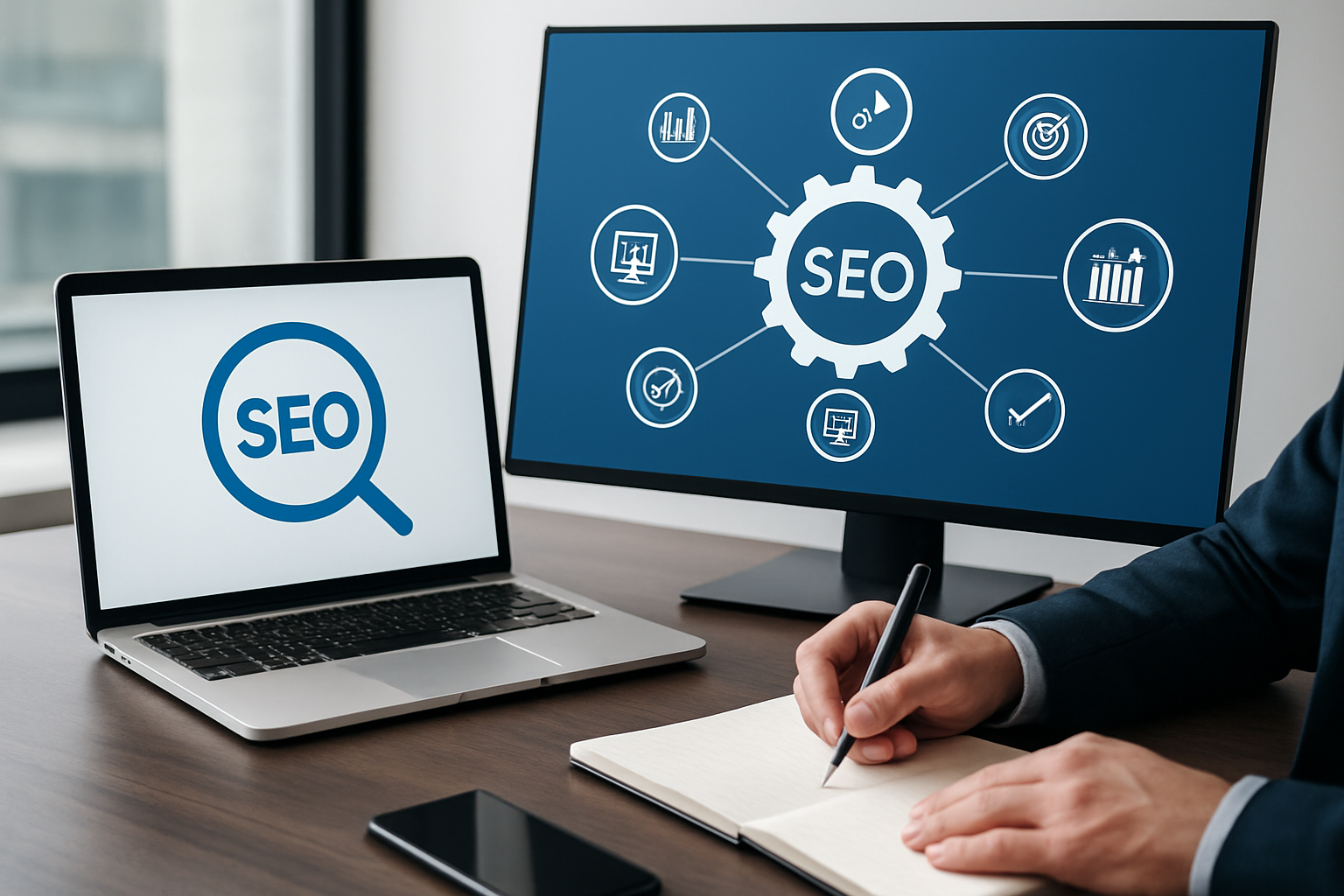
You do not need magic to win in search. You need a focused blueprint that turns best practices into weekly habits and quarterly milestones. Below are the nine non-negotiables we apply with clients, from early-stage startups to national brands. Notice how each fundamental supports the others. When you research intent, architecture becomes clearer. When architecture improves, crawlers find more pages. When content maps to real questions, reviews and links accelerate results. Internetzone I packages these steps into managed web services so your team can keep running the business while the system compounds.
- Intent-First Keyword Research and Mapping: Identify problems, comparisons, and transactional phrases, then map them to pages and funnel stages. Build topic clusters that answer how, what, and where questions.
- Technical Health and Speed: Ensure crawlability, indexation, and fast load times. Aim to pass Core Web Vitals such as Largest Contentful Paint (LCP), Interaction to Next Paint (INP), and Cumulative Layout Shift (CLS).
- Information Architecture and Internal Links: Organize content into hubs and spokes, with descriptive anchor text and logical Uniform Resource Locator (URL) paths to help users and crawlers discover depth.
- On-Page Essentials: Write clear titles, meta descriptions, headers, and alt text; use structured data with schema markup for rich results when relevant.
- Helpful, Trustworthy Content: Demonstrate E-E-A-T (Experience, Expertise, Authoritativeness, Trustworthiness) with firsthand examples, citations, and transparent author profiles.
- Local Search Excellence: Optimize Google Business Profile (GBP) listings, keep Name, Address, Phone number (NAP) consistent, build citations, and publish localized service and city pages.
- Authority and Reputation: Earn links via digital PR, partnerships, and resources; request and respond to reviews thoughtfully to strengthen brand signals.
- Conversion Experience: Pair search engine optimization with experience design and Conversion Rate Optimization (CRO) so visitors can act fast on mobile and desktop.
- Measurement and Iteration: Track leading and lagging indicators, run tests, and review progress every 30 to 60 days so wins are reinvested and gaps are closed.
National vs Local: One Playbook, Two Battlefields
Most companies are playing two games at once, whether they realize it or not. You want to rank nationally for solution keywords that signal broad demand, and locally for near-me and city-specific queries that generate calls, directions, and bookings. The mechanics overlap, but the emphasis shifts. National success often hinges on content depth, topical authority, and quality references, while local success depends on proximity relevance, reviews, and consistent citations. Internetzone I’s National and Local programs coordinate these levers in one plan so your brand looks definitive from New York to your own neighborhood, with web design that stays fast on every device and eCommerce merchandising that meets intent at the product level.
| Pillar | National Focus | Local Focus | Key Metric | Internetzone I Approach |
|---|---|---|---|---|
| Keywords | High-intent solution and comparison terms | Near-me, city, and neighborhood modifiers | Non-brand top 3 rankings | Segment by funnel stage, build topic clusters and city pages |
| Content | Deep guides, case studies, and comparisons | Service pages with local proof and directions | Average time on page | Mix long-form resources with localized service descriptions |
| Authority | Industry publications and partner links | Local chambers, directories, and sponsorships | Referring domains growth | Digital PR, community partnerships, and citation cleanup |
| Reputation | Brand mentions and testimonials | Ratings and review volume on GBP | Average star rating | Review generation playbooks and response frameworks |
| Technical | Scalable templates, structured data, speed | Location-specific schema and fast mobile | Core Web Vitals pass rate | SEO-focused, mobile-responsive web design and hosting oversight |
Proof and Planning: KPIs (Key Performance Indicators), Budgets, and Your 12-Month Roadmap
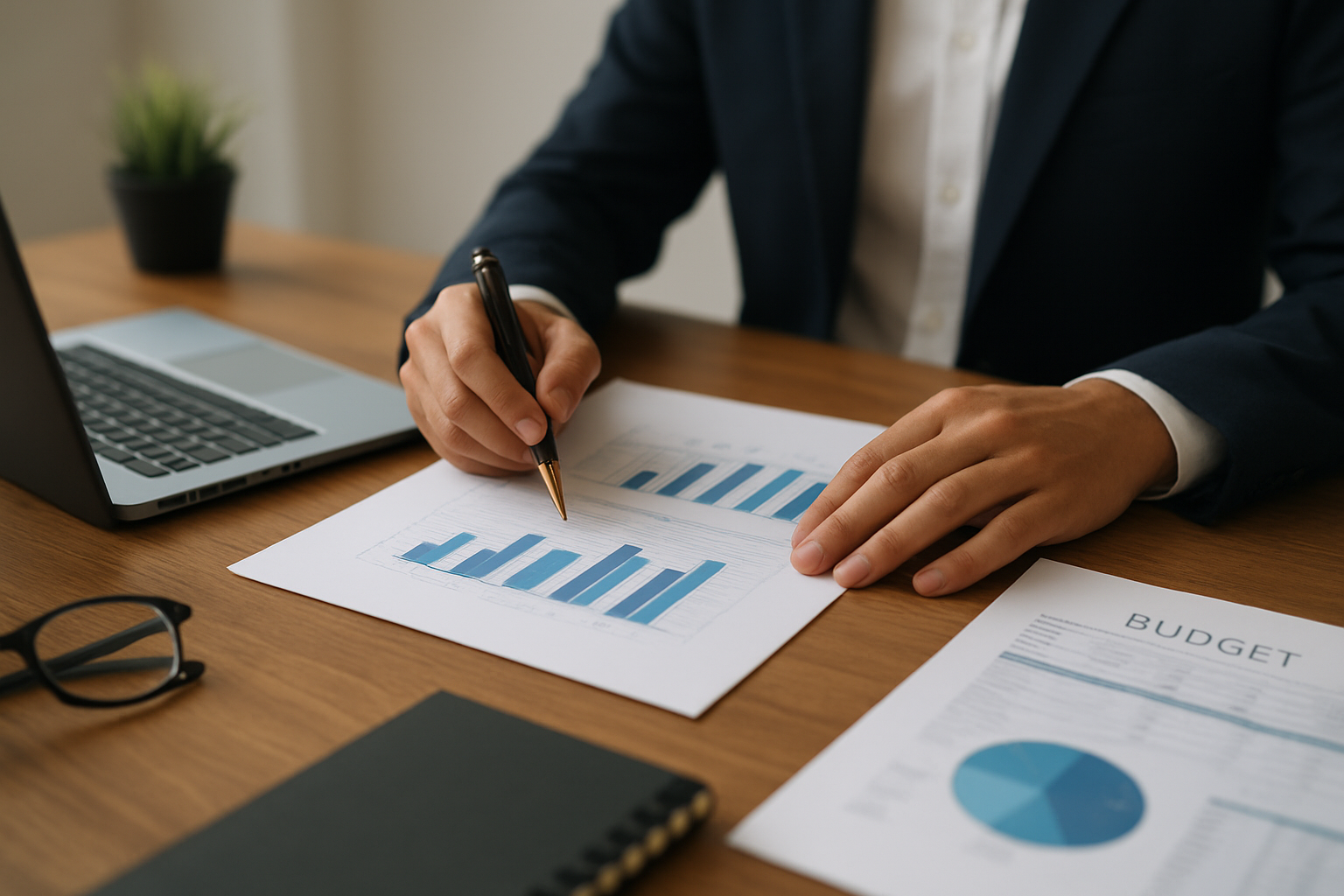
You do not manage what you do not measure. The trick is tracking signals that lead to revenue rather than vanity numbers that look exciting but do not move the business. Internetzone I builds dashboards that connect rankings to clicks, clicks to leads or carts, and leads to revenue, then pairs those insights with a cadence of on-page improvements, content launches, and outreach campaigns. Most clients see early wins inside 60 to 90 days from fixing crawling and page speed, with compounding growth as content and reputation kick in. Ready to see what matters and when it should happen? Use the tables below to calibrate expectations and keep your team aligned.
| KPI (Key Performance Indicator) | Definition | Typical Benchmark | Source | Notes |
|---|---|---|---|---|
| Organic Sessions | Visits from unpaid search | 15 to 40 percent increase in 6 months | Analytics platform such as Google Analytics 4 (GA4) | Seasonality and industry matter |
| Non-Brand Clicks | Clicks without your brand name | 20 percent growth per quarter | Search Console | Best indicator of new-market reach |
| Top 3 Keyword Count | Number of terms ranking positions 1 to 3 | Steady quarter-over-quarter increase | Rank tracking | Focus on intent, not just volume |
| Click-Through Rate (CTR) | Percentage of impressions that become clicks | 2 to 6 percent for non-brand, higher for brand | Search Console | Improve with titles, meta, and schema |
| Conversion Rate | Visitors who complete a lead or sale | 2 to 5 percent for lead gen, 1 to 3 percent for retail | Analytics and CRM (Customer Relationship Management) | Pair search engine optimization with Conversion Rate Optimization (CRO) |
| Local Pack Visibility | Presence in the map results | Daily coverage for primary services in target ZIPs | Local rank grid tools | Driven by proximity, reviews, and categories |
| Review Rating | Average stars on key platforms | 4.3 stars or higher | GBP and third-party sites | Volume and recency both matter |
| Core Web Vitals | Performance thresholds for speed and interaction | Pass rate above 75 percent | PageSpeed Insights | Monitor by template and device |
| Months | Primary Focus | Deliverables | Expected Lift |
|---|---|---|---|
| 1 to 2 | Technical fixes and quick wins | Crawl cleanup, speed boost, title and meta refresh | Faster indexing, 5 to 10 percent traffic lift |
| 3 to 4 | Content foundations | Topic clusters, service pages, internal links | Initial rankings and longer dwell time |
| 5 to 6 | Authority and local presence | Digital PR, citations, review playbooks | Map pack entries and referral traffic |
| 7 to 9 | Conversion optimization | Form simplification, product page upgrades, FAQs | 5 to 20 percent conversion lift |
| 10 to 12 | Scale and sustain | Content expansion, automation, quarterly audits | Compounding growth and lower acquisition costs |
From Theory to Results: Internetzone I Success Patterns
What does this look like when it works in the wild? A multi-location healthcare group cleaned up duplicate listings, added location schema, and rolled out city pages that answered real patient questions, raising calls by double digits in three months. A regional manufacturer revamped information architecture, turned spec sheets into comparison resources, and earned editorial links, unlocking national rankings for buyer-intent terms. An eCommerce retailer re-platformed to a faster, SEO-focused design and layered in structured data, while pay-per-click campaigns filled gaps until organic took over. In each case, Internetzone I combined search engine optimization, web design, eCommerce merchandising, reputation management, and AdWords (Google AdWords)-certified pay-per-click services into one operating system for growth.
- Local visibility win: 72 percent increase in calls after GBP rebuild and review program in 90 days.
- National authority win: 38 percent lift in non-brand traffic after topic clusters and digital PR in 6 months.
- Conversion win: 27 percent increase in add-to-cart rate after product page templates and speed upgrades.
When teams ask, Where should we start, the answer is usually the same. Fix the crawl and speed, map your content to intent, and make it effortless to contact you or buy. That foundation makes every reputation and authority effort more profitable. Internetzone I’s managed web services keep the engine tuned while your team focuses on sales, operations, and customer experience.
What does Internetzone I bring that templates alone cannot? Strategic prioritization, hands-on implementation, and accountability. National and Local search initiatives move in parallel, web design changes ship fast, and analytics connect activities to outcomes. That is how businesses move from sporadic spikes to steady, compounding growth without gambling the budget on paid clicks alone.
You now have the recipe for predictable organic growth: the nine fundamentals, a National and Local playbook, and an honest view of metrics and timelines. Imagine this same system running for your brand for the next 12 months, compounding every week you improve content, speed, and reputation. What would your pipeline look like if seo’s gains stacked month after month?
Additional Resources
Explore these authoritative resources to dive deeper into seo’s.
Accelerate Organic Reach with Internetzone I
Power your seo’s growth with National & Local SEO to boost visibility, strengthen reputation, and increase conversions for companies of every size.