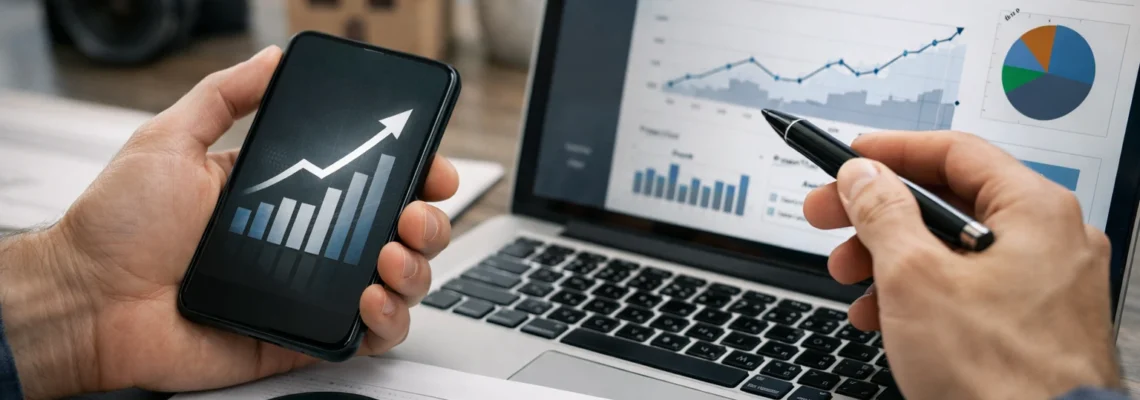
At 8:17 on a Monday, a four-person team typed its own brand name into Google. The first result was a competitor. On Instagram, that same competitor showed up again in the feed. Then someone opened Gmail and found the competitor’s promo email sitting on top of the Promotions tab. Bad feeling, right?
I’ve sat in versions of that meeting more than once, and it changes the mood fast. That’s when increased online visibility stops sounding like a nice marketing idea and starts looking like lost clicks, lost calls, and lost deals.
If your company shows up well in one place but disappears in another, you are not unusual. A brand can have decent Google rankings, weak social reach, and a website that confuses people the second they land. So let’s make this practical: what visibility really means, why it matters, what drives it, and what you should fix first.
What Is Increased Online Visibility?
What people see in search results
In search, visibility means your company is easy to find when someone looks for your brand, your services, or the problem you solve. That includes your website pages, your Google Business Profile, your page titles, your meta descriptions, and whether your result looks trustworthy enough to earn the click.
If your business is not among the first results, you should not expect much traffic. That lines up with how buyers behave every day. Someone searching “commercial roofer Dallas” or “estate attorney Phoenix” rarely digs deep. They click what appears early and looks relevant.
What people see in social feeds
On social, visibility means your posts actually get surfaced and noticed. Social platforms take major cues from user engagement — likes, comments, shares, saves, replies. But that is only half the story. Format matters too. A LinkedIn document post, an Instagram Story, and a short demo video do not get treated the same way.
I’ve seen smart teams post strong ideas in a weak format and wonder why nothing moved. Then they turn the same message into a carousel, a Reel, or a Story sequence, and suddenly people respond. Same core idea. Different packaging. Big difference.
What people see on your website and in email
Your website and email are your owned channels, which means you control the experience. Visibility here is not just about getting found. It is also about being recognized and chosen once someone arrives. If the homepage is vague, the navigation is messy, or the email subject line feels generic, attention evaporates.
Think about a buyer who clicks through from Google on an iPhone 14. They expect a fast page, clean navigation, obvious next steps, and copy that matches the promise of the search result. The same goes for email. If your newsletter feels useful and familiar, it keeps your brand present between visits.
| Channel | What people notice first | What improves visibility |
|---|---|---|
| Search | Ranking position, title, snippet, reviews | Relevant pages, strong SEO basics, clear intent match |
| Social | Format, hook, engagement, recency | Consistent posting, better creative, interaction signals |
| Website & Email | Speed, clarity, trust, message consistency | Clean UX, mobile responsiveness, focused copy, list building |
Visibility is channel-specific: a brand can be strong in Google and nearly invisible in Instagram, LinkedIn, or email.
Why Does Increased Online Visibility Matter?
It brings in more qualified traffic
People cannot buy from you if they never find you. Simple. When visibility improves, you do not just get more traffic — you get better traffic. Search is especially good at this because it captures intent. A person typing “emergency dentist open Saturday” is not browsing for fun.
That is why being buried below the first results hurts so much. You are not just missing impressions. You are losing people who were already looking for exactly what you offer.
It supports reputation and trust
Repeated exposure builds familiarity. Familiarity does not guarantee trust, but it helps. If someone sees your brand in Google, then notices your social post, then gets a useful email a week later, your company feels more established. That matters whether you sell HVAC installs, legal services, or B2B software.
I’ve watched this happen with local brands that were not famous at all. Once their search listings, reviews, social presence, and site experience started matching, leads told them the same thing: “I kept seeing your name everywhere.” That is not vanity. That is confidence forming in real time.
It makes marketing spend work harder
Visibility also improves efficiency. If you run Google Ads or Meta campaigns, paid clicks work better when search results, landing pages, and social profiles already look credible. Most visibility advice keeps circling the same three outcomes — reach, results, and ROI — because they are tightly connected.
When your site loads fast, your content matches intent, and your brand shows up consistently, every channel gets stronger. Paid media warms up organic discovery. Organic discovery lowers the pressure on paid. Email keeps the conversation alive after the first visit.
Visibility is not vanity; it is the top of the revenue funnel.
What Drives Increased Online Visibility?
Content that solves real audience problems
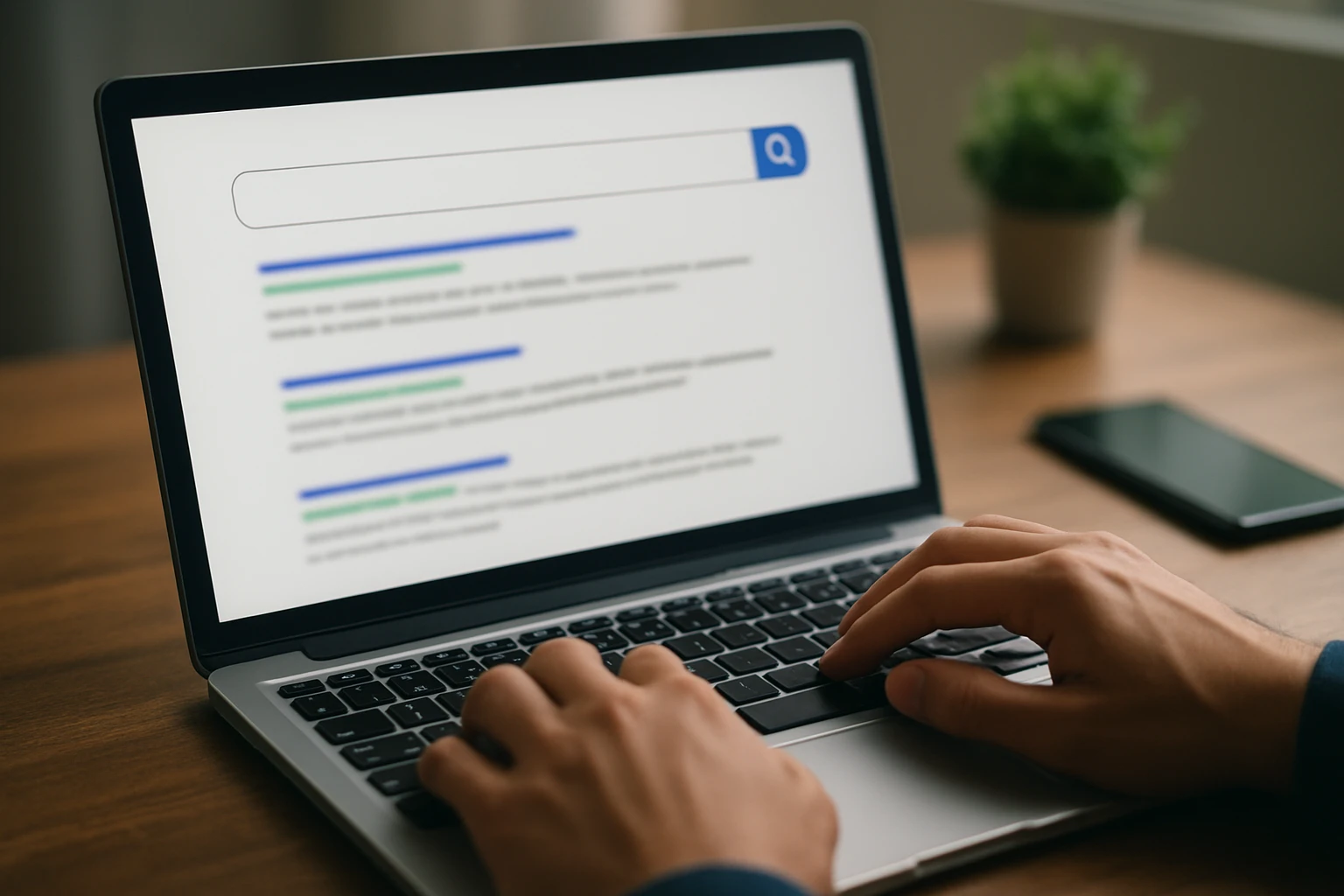
The first driver is useful content. Not content for content’s sake. Not filler. Content that answers real questions your buyers already ask. Consistent, high-quality blog posts can build trust, attract backlinks, and create internal linking opportunities that help both readers and search engines discover more of your site.
A manufacturer that publishes “How to Choose the Right Industrial Air Compressor Size” will usually outperform a competitor posting vague thought leadership. Why? Because the first piece solves a real problem. It meets intent. It earns attention honestly.
SEO basics that make pages easy to find
The second driver is solid SEO fundamentals. That starts with targeting long-tail keywords that match real search intent. A page optimized for “payroll compliance for restaurants in Texas” is far more discoverable than a page called “Our Solutions.” One speaks the customer’s language. The other speaks conference-room jargon.
Then come the basics people love to ignore: mobile responsiveness, fast load speed, clear navigation, useful title tags, logical headings, and internal links. I once worked with a Chicago software team that published four excellent guides nobody read because the site felt like it was loading over airport Wi-Fi. Great ideas. Poor delivery.
Promotion through social and email
The third driver is distribution. Great content alone is not enough. If nobody sees it, it cannot help you. Social visibility is shaped by engagement and format, so you need to package content for the platform. A long blog post can become a carousel, a 30-second video, or a short sales follow-up note.
Email matters here more than many teams admit. Building your own subscriber list gives you a direct line to customers, prospects, and past buyers. Unlike rented attention on social, your list is yours. And because email supports more personalized outreach, it often becomes the bridge between first click and actual conversation.
| Driver | Why it matters | First move |
|---|---|---|
| Helpful content | Builds trust, earns links, supports internal discovery | Answer one real customer question per week |
| SEO fundamentals | Makes pages easier to find and easier to use | Fix titles, speed, mobile layout, and navigation |
| Social and email distribution | Gets your message in front of more people repeatedly | Repurpose each piece into channel-specific formats |
Great content alone is not enough; distribution and discoverability matter just as much.
How Does Increased Online Visibility Work Across Channels?
How search attracts high-intent visitors
Search is where intent shows up clearly. A person who searches “best CPA for construction company in Tampa” is telling you what they want, where they are, and how close they may be to taking action. That is why pages near the top of results receive far more traffic than pages lower down.
Search also compounds. One strategic article can support internal links to service pages. Those pages can earn backlinks over time. That web of relevance helps both users and search engines find more of your content, not just one page.
How social expands reach through engagement
Social works differently. It amplifies attention. Platforms watch how people react to a post, and engagement is still a major signal. They also look at format. Stories, short videos, carousels, and text posts each behave differently. On Facebook and Instagram, Stories literally occupy premium screen space at the top, which is one reason the format gets so much attention.
That is why a dry link drop often underperforms a native post with a strong opening line or a quick demo video. Social rewards interaction and presentation. You cannot ignore either one.
How the website converts attention into leads
Your website is where attention becomes action. Search and social can send the visit, but the website decides whether that visit turns into a quote request, phone call, demo, purchase, or email signup. If your forms are clunky, your copy is vague, or your mobile experience is painful, visibility stops at the click.
The best-performing sites make the next step obvious. They match the promise of the ad, search result, or post. They load quickly. They answer the first question fast. Then they guide the user forward without drama.
A click is not the finish line; it is the start of a chain reaction.
What Are the Most Common Questions About Increased Online Visibility?
Can small businesses compete?
Yes — absolutely. Small teams compete all the time by narrowing the audience and staying consistent. A local bakery in Columbus does not need to dominate every search term in Ohio. It needs to own the phrases, map visibility, reviews, and proof points that matter in its neighborhood.
The mistake is trying to look big everywhere instead of being obvious to the right people somewhere. Focus beats sprawl. A smaller company that posts weekly, answers buyer questions, and keeps its Google Business Profile current can outrun a larger competitor that is lazy.
Is SEO enough on its own?
No. SEO is foundational, but it is not the whole system. Many businesses struggle to come up with content regularly and then struggle again to get those posts seen by enough people. That is exactly why multi-channel visibility matters. Search finds intent, social expands awareness, and email keeps you in the conversation.
If you rely on one tactic, you build a fragile pipeline. If rankings dip, traffic dries up. If social reach stalls, awareness fades. A healthier approach uses multiple channels, so you are not dependent on one algorithm or one platform.
How long does visibility take to build?
Some parts move fast. Some take patience. Paid promotion can create exposure the same day. Social can spike quickly, then flatten out just as fast. SEO usually takes longer, but its gains can compound when content, links, and site quality keep improving over time.
That is why I tell teams to separate speed from durability. Fast wins are useful. Durable wins are where margin usually shows up later.
| Channel | How fast it can move | How long impact can last |
|---|---|---|
| Paid ads | Very fast | Usually ends when spend stops |
| Social | Fast to moderate | Often short-lived unless repeated |
| SEO content | Moderate to slow | Can compound over time |
| Fast once list exists | Strong when nurtured consistently |
There is no single lever; visibility is a system.
What Should Companies Do First to Improve Visibility?
Audit where you are already visible
Start with the obvious question: where do you show up now? Search your brand name. Search your core services. Check Google Maps, YouTube, social platforms, and your inbox. Then compare what appears for you versus a direct competitor. This takes an hour and usually reveals a lot.
Free tools can help speed up the audit. Examples commonly mentioned in online visibility roundups include Google Ads Performance Grader, Facebook Ads Performance Grader, Keyword Tool, and Website Grader. You are not looking for perfection here. You are looking for blind spots.
- Are your service pages ranking for the right searches?
- Do your social profiles look current and active?
- Does your site load cleanly on mobile?
- Are you collecting email subscribers anywhere obvious?
Fix site and content basics first
Before you spend more on ads or publish ten new posts, fix the friction. Clean up navigation. Improve page speed. Make sure the site works smoothly on mobile. Tighten page titles and headings. Add internal links between related pages. Rewrite weak homepage copy that says everything and nothing.
This part is not glamorous, but it matters. If your strongest page takes seven seconds to load, or your main call to action hides below a giant stock-photo banner, every channel pays the price. Discovery and conversion live on the same foundation.
Measure and repeat the strongest channel
Once the basics are stable, find the channel already showing signs of life and double down. If branded search clicks are rising, expand your service-page strategy. If social posts drive demo requests, turn that topic into a weekly series. If email gets replies, grow the list and segment it better.
That is also the point where outside help can make sense. Teams that need stronger National & Local SEO, web design cleanup, PPC management, or reputation support often bring in specialists to accelerate the parts that are slowing them down. The trick is not doing more stuff. It is doing more of what already proves its worth.
First fix what blocks discovery; then spend more on amplification.
Increased online visibility grows when your content matches real intent, your site is easy to find and use, and your promotion keeps showing up where buyers already spend time.
You do not need ten new tactics next week. You need a sharper audit, cleaner basics, steady distribution, and a habit of measuring what actually earns clicks, replies, and leads.
So when you check search results, social feeds, and your inbox next Monday morning, what will your future customer notice first — you or your competitor?
Grow Search Reach With Internetzone I
Internetzone I helps companies of all sizes improve increased online visibility with National & Local SEO, plus web design, PPC, reputation management, and eCommerce support.